Spine-related issues are very common but what’s more common about them is that those who face spine problems often don’t consult a doctor. This fear is not because there’s no treatment for their problem, but the real problem is that there are treatments but they are largely invasive. It means it requires large incisions, more collateral damages, and a longer time to recover for patients.
But with minimally invasive spine procedures, there’s a change that is in good light. As the name suggests, minimally invasive interventions are not as invasive as the traditional surgeries. The reason why is that there has been a transformation in the field of medical science which led to the invention of new tools and ways that are less invasive. Methods like endoscopy are being used for multiple surgeries and help turn the procedures into non-invasive ones.
Non-invasive procedures work well for the spine as the spine is one of the very vital and critical parts of the body. Many times it has been seen that invasive surgeries made the condition of patients even worse. The useless statement given is irrelevant. The reason is that sometimes things don’t go as planned. Blood intake is mostly required in traditional surgeries and if the patient’s body rejects the donor’s blood it leads to further complications. Open surgeries require complete general anesthesia with larger tissue sacrifice and associated risks. However, with minimally invasive spine surgeries, such complications are quite under control.
A minimally invasive procedure to relieve lower back pain caused by compressed nerves. Using an endoscope and small instruments inserted through a tiny incision, the surgeon removes disc or bone pressing on the nerve. This helps reduce pain, numbness, or weakness, often seen in conditions like sciatica.
A minimally invasive technique for spinal stenosis or herniated discs. A small tube is inserted between the vertebrae through the back, allowing the surgeon to remove tissue pressing on the nerve using an endoscope. This reduces pain, improves mobility, and supports faster recovery with minimal tissue damage.
A minimally invasive procedure for spinal stenosis, where a narrow spinal canal compresses nerves. Using a tiny tube with a camera and instruments, the surgeon removes bone or tissue pressing on the nerves, offering less pain and faster recovery compared to traditional surgery.
Lumbar Endofusion is a minimally invasive procedure to treat spinal instability or severe degeneration of discs. Using small incisions, the surgeon inserts an endoscope to decompress the spinal level and fuses the affected vertebrae through various percutaneous implant systems to prevent painful movement between them.
Epidural neuroplasty is a non-surgical procedure used to treat chronic pain caused by scar tissue in the spine. It involves injecting a special fluid into the epidural space, the area around the spinal nerves, to break down scar tissue and reduce nerve compression. It can provide relief from back pain, sciatica
This procedure is recommended for patients with chronic pain that doesn’t respond to other treatments. A small device called a spinal cord stimulator, is implanted under the skin. It sends mild electrical pulses to the spinal cord, blocking pain signals before they reach the brain. It offers relief from back, leg, or arm pain
Percutaneous Rhizotomy is a minimally invasive procedure that targets nerves causing chronic pain. Using a needle and radiofrequency energy, the surgeon disrupts the nerve responsible for sending pain signals. This helps reduce or eliminate pain in areas such as the neck, back, or face. It is a safe option
When the spine is treated as a functional spine unit, there can be multiple causes of pain in the spine, from discs to joints to muscles and ligaments, and in a lot of cases, regenerative orthobiologics have given good outcomes for the same. We at Axis Clinics are pioneering work in spine Regenerative orthobiologics
These procedures offer effective solutions for back and nerve pain with minimal downtime and faster recovery, helping patients return to daily life with less discomfort.
As the name refers, minimally invasive interventions are focused to be not as invasive as traditional surgeries. There are a lot of treatment methods that have been available for surgeons for quite a time now. But the problem was that even if the main goal of the surgery was to decompress a disc, it required a deep and big incision to be made. But with new and advanced procedures like laparoscopy and endoscopy, the main goal is the same while the way to enter the body has changed. In endoscopic procedures, smaller instruments are passed through small incisions and the surgery is performed.
Now, you may think how does the surgeon know where to operate? This is the main problem solved with such procedures. Basically, the surgeon uses a mini light source and telescope to access the inner view which can also be passed through a small incision. On the other hand, the traditional methods needed bigger incisions just because the surgeon has no other pay to peek inside the patient’s body.
These procedures are used to treat Mukti spine-related issues. Here’s a list of problems that can be cured with these minimally invasive interventions.
While many herniated disc cases heal naturally, some require surgical intervention. Endoscopic spine surgery allows the surgeon to partially or completely remove the ruptured disc, relieving pressure on spinal nerves. This decompression creates more space within the spinal canal and helps reduce pain and discomfort.
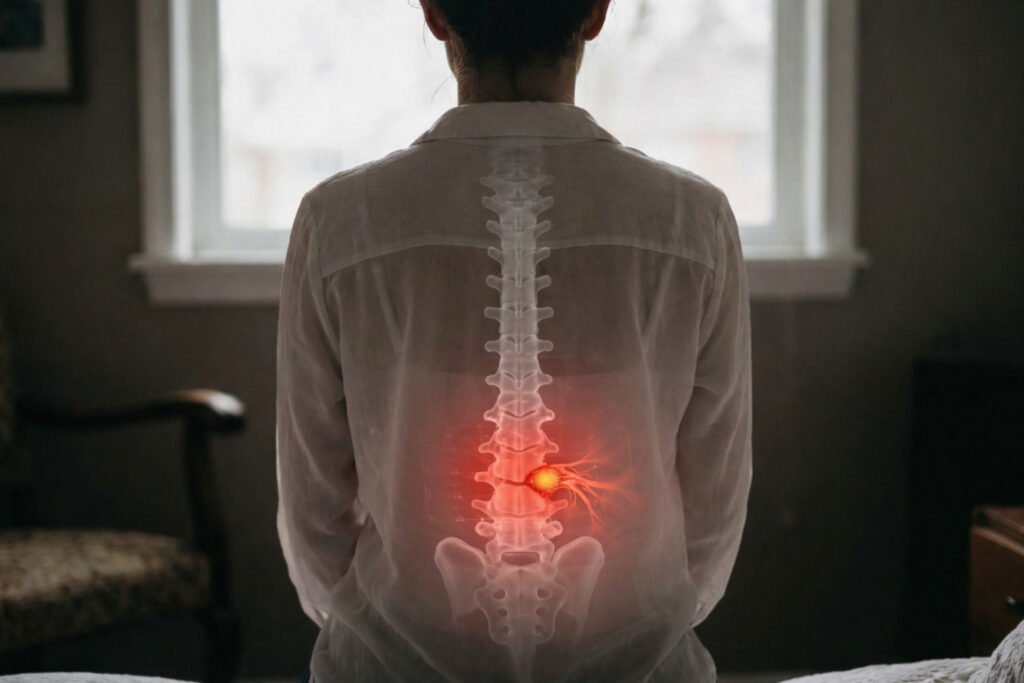
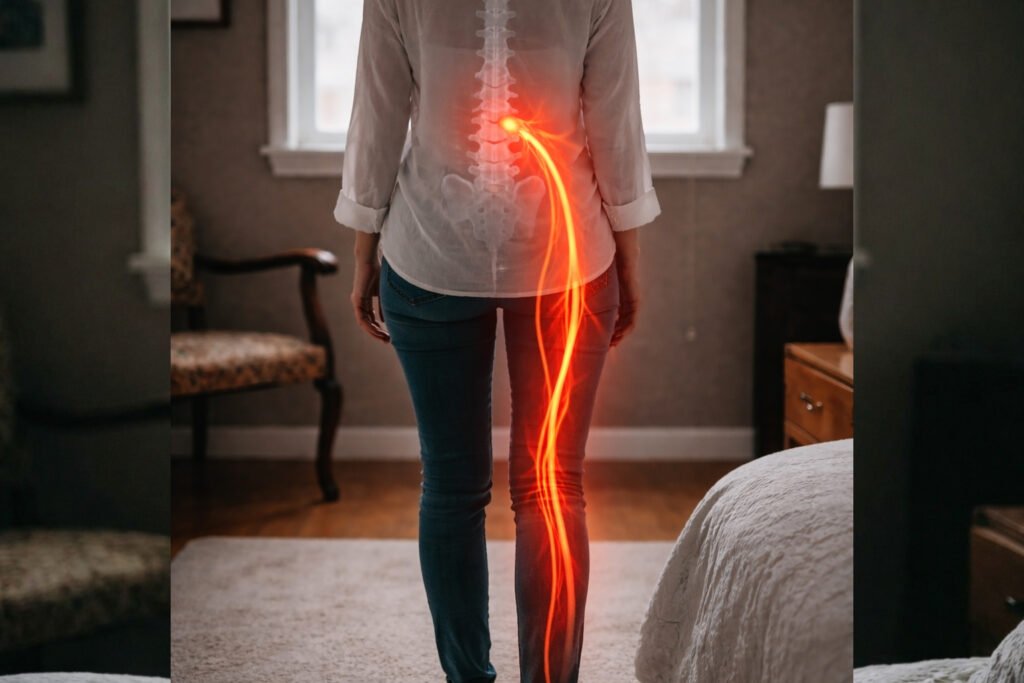
Sciatica occurs when the sciatic nerve becomes compressed, often due to a herniated disc or other spinal issues. If symptoms such as radiating leg pain, numbness, or weakness persist, minimally invasive endoscopic decompression can effectively relieve nerve pressure and improve symptoms.
Spinal stenosis causes chronic back pain and radiating nerve pain due to narrowing of the spinal canal. In many cases, this narrowing is caused by scar tissue buildup that does not resolve on its own. Endoscopic procedures, such as neuroplasty, are used to remove scar tissue and decompress nerves, providing long-term pain relief.
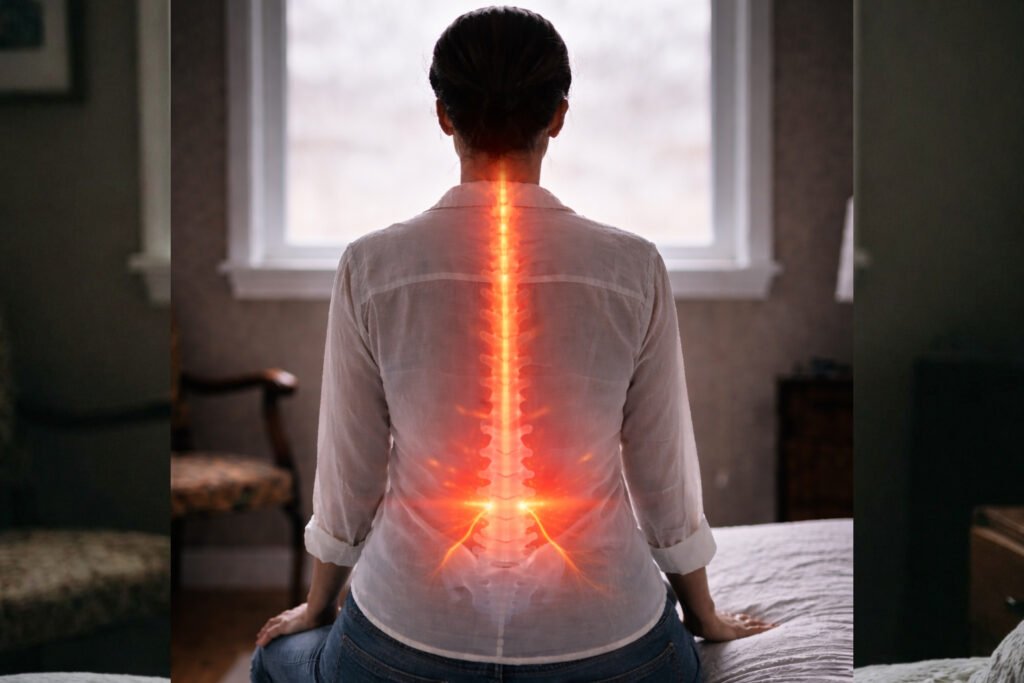
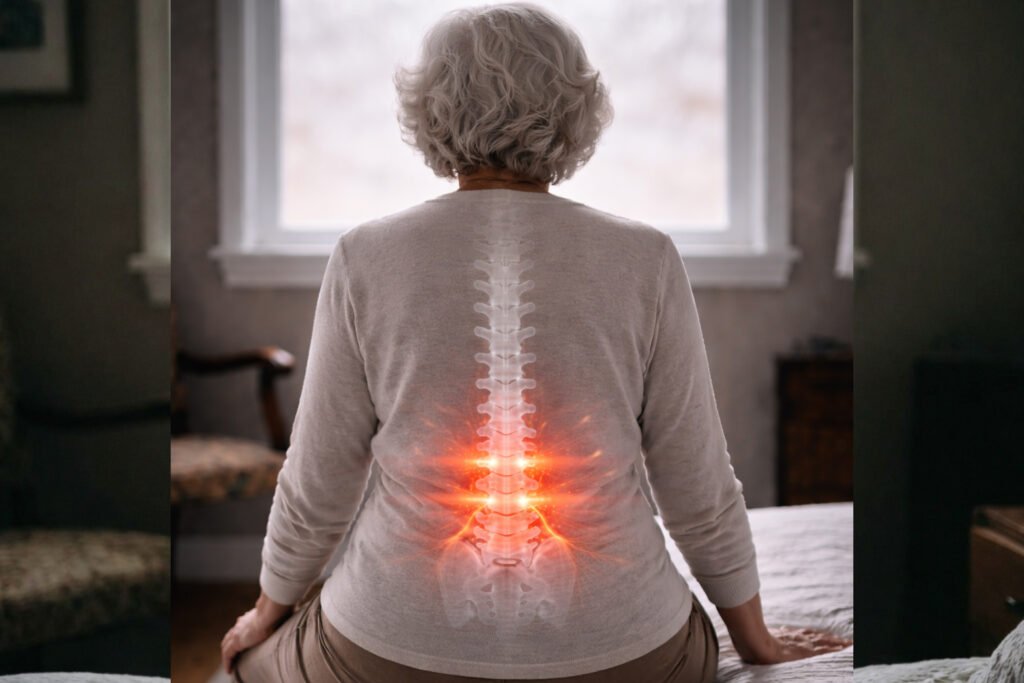
Degenerative Disc Disease is an age-related condition caused by gradual wear and tear of spinal discs. Over time, it can lead to herniated discs, spinal stenosis, and chronic pain. Since natural healing is limited, surgery may be required. Endoscopic procedures like lumbar endo-fusion are commonly used due to their low trauma, minimal muscle damage, and faster recovery.
Minimally invasive spine treatments offer several advantages over traditional open surgeries. Here are the key pros:
With these minimally invasive spine interventions, a range of spine complications can be treated without making bigger incisions. However, it is important to choose a reputed healthcare partner like AXIS Clinics to get the best treatment for your spine problems. Visit the AXIS Clinics website today and book your appointment.